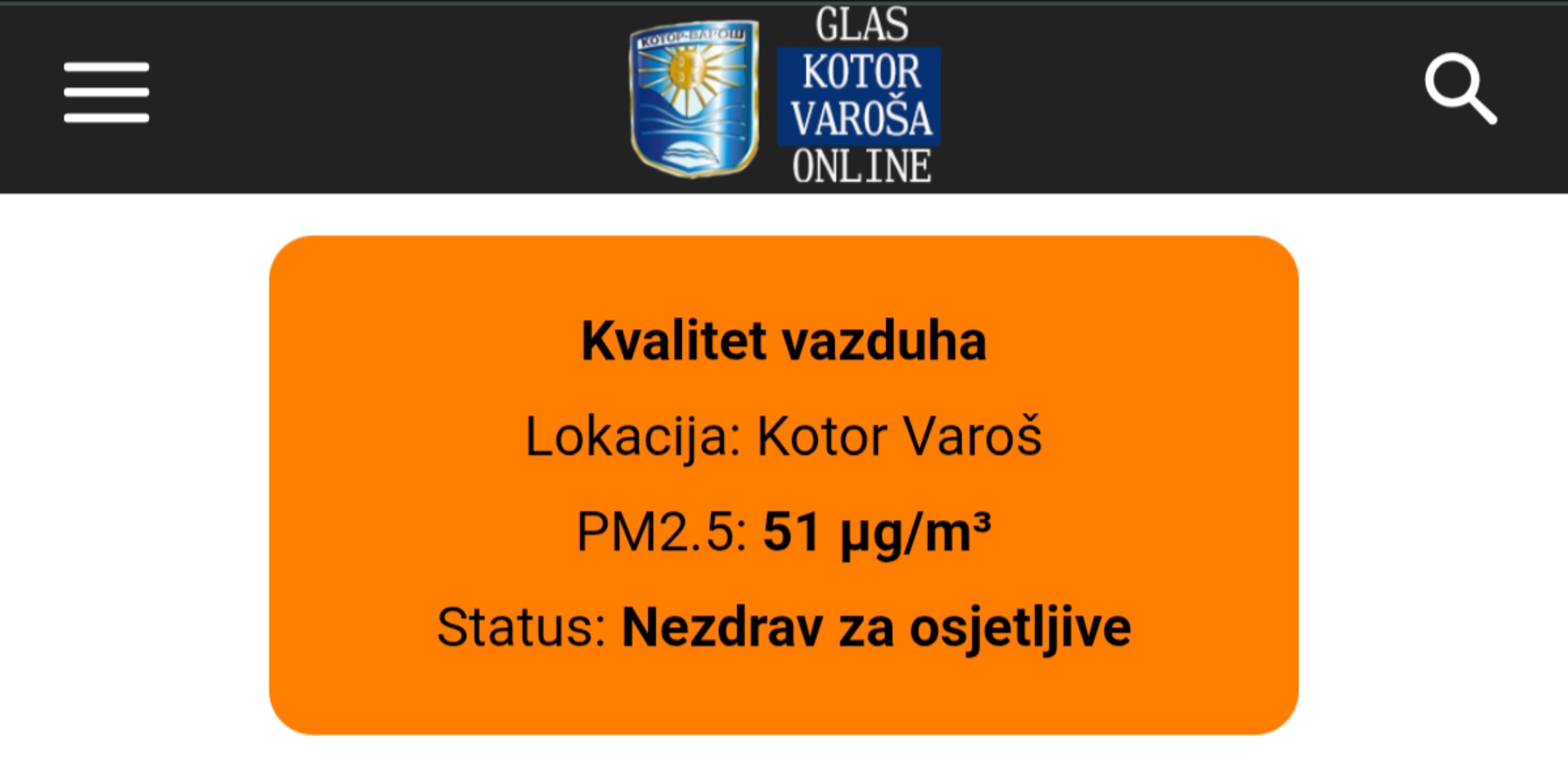
Kotor Varoš reports live on air quality
Thanks to the cooperation with the news portal Glas Kotor Varoš, in addition to the PurpleAir map, the current state...

We are a non-governmental organization that brings together enthusiastic people who believe in the power of education as a path toward positive change. We aim to raise awareness among the local population about the importance of a healthy environment and its impact on the quality of life of individuals and the community. By finding common ground between communities, investors, and institutions, we seek to create a driving force for the sustainable development of the economy and society. Our vision is the integration of humans and human activities into the natural environment, while respecting biodiversity, protecting and improving the quality of water, air, and soil as the foundation for healthy living and survival.
We have chosen air as the key and initial aspect of our work because we cannot escape it no matter how much we try, it is an element that surrounds us always and everywhere. We breathe air for as long as we live, and we share it with everyone, which makes it unique and one of the most important life resources. However, air quality in Bosnia and Herzegovina is at a very low level, placing us at the bottom of the rankings among countries in Europe and even the world.
Witnessing how the winter months in recent years have become especially difficult to endure, and recognizing the seriousness of the problem given its seasonal nature and the lack of strong public awareness and initiative, it became clear that the focus of our work at the beginning should be exactly the Air we breathe.
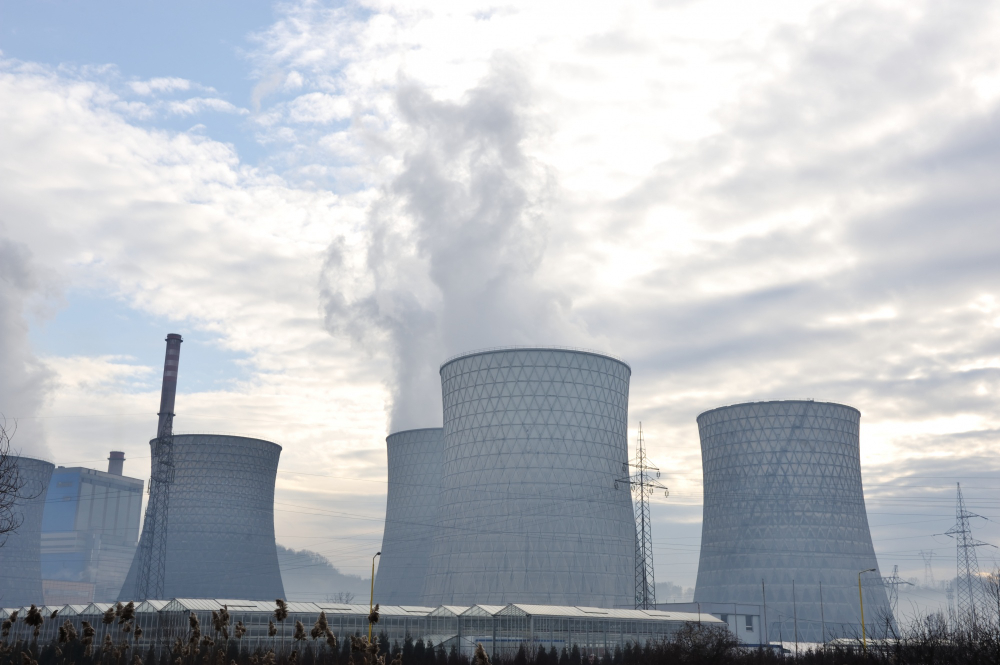
The air quality in Bosnia and Herzegovina has been worsening year by year, and particulate matter penetrates all the cells and organs in our bodies — the lungs, heart, blood, and brain. The biggest air polluters are fossil fuels, vehicle exhaust gases, and the burning of various inorganic and organic materials.
The latest research presented in the State of Global Air Report 2024 brings devastating facts:
We have chosen air as the key and initial aspect of our work because we cannot escape it no matter how much we try, it is an element that surrounds us always and everywhere. We breathe air for as long as we live, and we share it with everyone, which makes it unique and one of the most important life resources. However, air quality in Bosnia and Herzegovina is at a very low level, placing us at the bottom of the rankings among countries in Europe and even the world.
Witnessing how the winter months in recent years have become especially difficult to endure, and recognizing the seriousness of the problem given its seasonal nature and the lack of strong public awareness and initiative, it became clear that the focus of our work at the beginning should be exactly the Air we breathe.
The air quality in Bosnia and Herzegovina has been worsening year by year, and particulate matter penetrates all the cells and organs in our bodies — the lungs, heart, blood, and brain. The biggest air polluters are fossil fuels, vehicle exhaust gases, and the burning of various inorganic and organic materials.
The latest research presented in the State of Global Air Report 2024 brings devastating facts:
According to the latest scientific assessments, today’s level of air pollution worldwide reduces an individual’s life expectancy by 1.7 years. This impact is comparable to other notorious causes of death such as: cancer (2.5 years), diseases caused by tobacco smoke (2.1 years), and malaria (0.3 years). It is important to note that this analysis includes only the effects of PM 2.5 particles and, to some extent, ozone, while other pollutants were not part of the study.
[Share of air pollution in causing deaths from various diseases]
After you inhale air that is polluted, the particulate matter passes through the lungs into the bloodstream. Through the bloodstream, it reaches all the organs and can even cross into the placenta and affect the development of a newborn. Airborne particles cause inflammation in the lungs and other organs, making them responsible for the development of serious diseases and a large number of deaths.
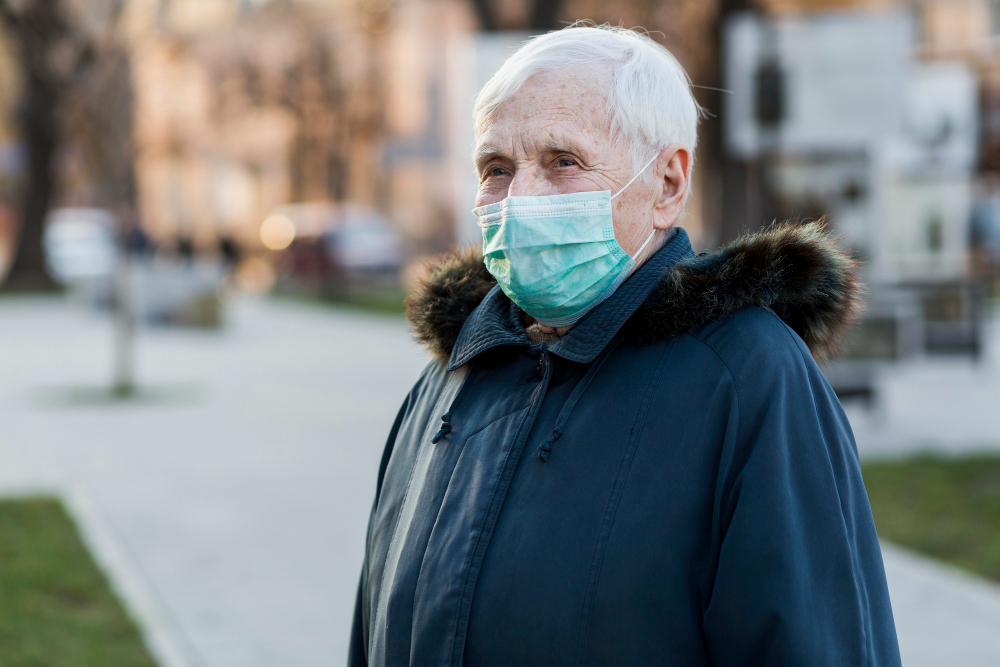
Air pollution does not affect all individuals and social groups equally. Economically less developed communities are at greater risk from the consequences of air pollution, especially children and the elderly. The severity of the effects depends on the level of exposure to air pollution, as well as on other social, economic, and demographic factors that influence a person’s overall health, sensitivity, and access to medical care. Air pollution rarely causes problems that appear immediately; most often, the symptoms develop over years and decades.

According to the latest scientific assessments, today’s level of air pollution worldwide reduces an individual’s life expectancy by 1.7 years. This impact is comparable to other notorious causes of death such as: cancer (2.5 years), diseases caused by tobacco smoke (2.1 years), and malaria (0.3 years). It is important to note that this analysis includes only the effects of PM 2.5 particles and, to some extent, ozone, while other pollutants were not part of the study.
[Share of air pollution in causing deaths from various diseases]
After you inhale air that is polluted, the particulate matter passes through the lungs into the bloodstream. Through the bloodstream, it reaches all the organs and can even cross into the placenta and affect the development of a newborn. Airborne particles cause inflammation in the lungs and other organs, making them responsible for the development of serious diseases and a large number of deaths.
Air pollution does not affect all individuals and social groups equally. Economically less developed communities are at greater risk from the consequences of air pollution, especially children and the elderly. The severity of the effects depends on the level of exposure to air pollution, as well as on other social, economic, and demographic factors that influence a person’s overall health, sensitivity, and access to medical care. Air pollution rarely causes problems that appear immediately; most often, the symptoms develop over years and decades.
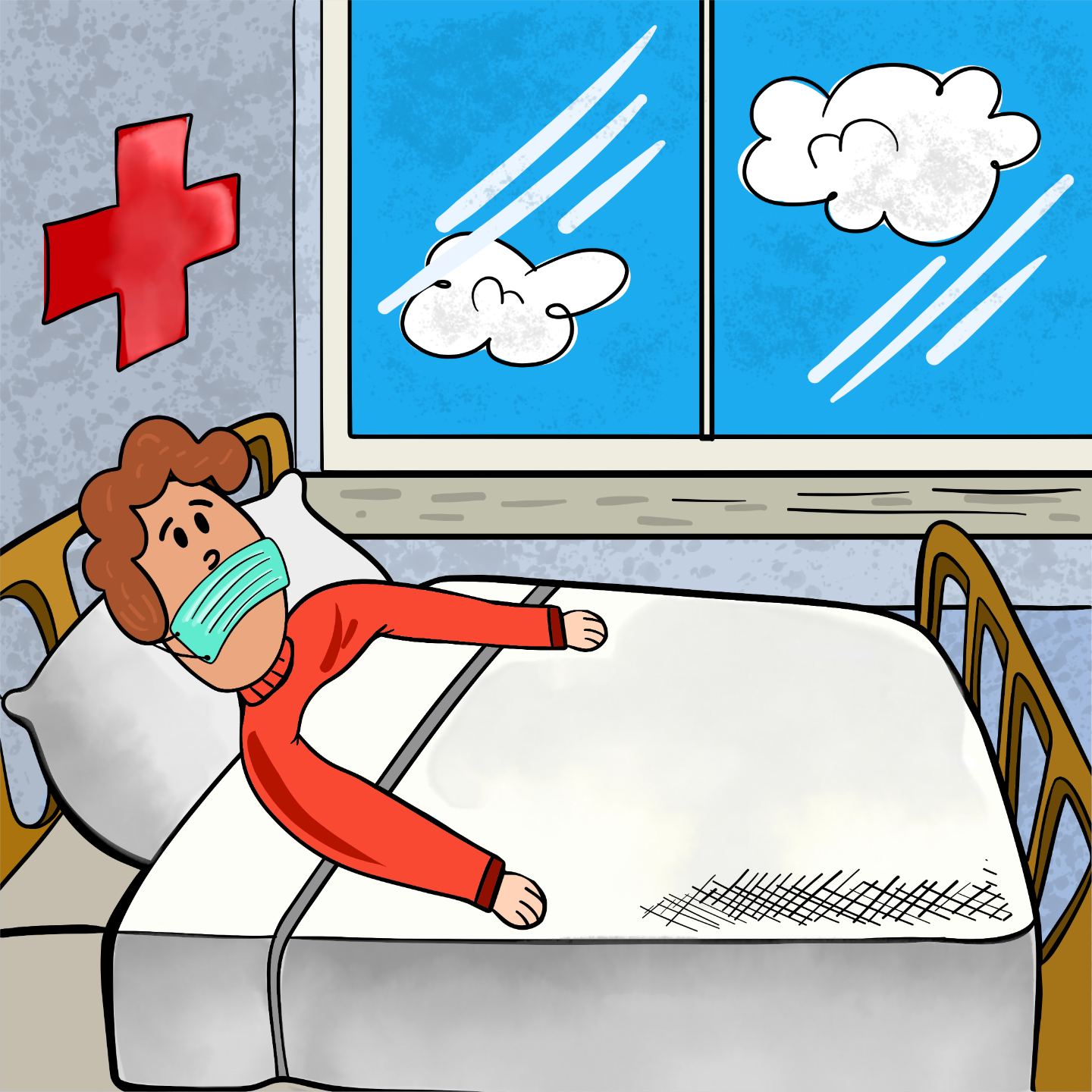
According to data from the State of the Global Air Report 2024, more than 700,000 deaths of children under the age of 5 in 2021 were linked to air pollution. This accounts for about 15% of all child deaths that year. After malnutrition, air pollution is the second leading cause of death among children under the age of 5.
Young children are particularly exposed to the negative effects of air pollution because their breathing rate is much higher than that of adults, meaning they inhale a larger volume of air.
Children also breathe through their mouth more often than the adults, and their nasal air-filtration mechanisms are less developed. In addition, because they are shorter, they remain within the zone where pollutant concentrations are highest. All these factors—combined with the fact that their lungs are still developing and that their immune system is not fully matured (meaning they are more susceptible to pathogens), make young children especially vulnerable and sensitive to the consequences of air pollution.
The development of a newborn in the womb is also affected by the mother’s exposure to air pollution. Research has shown that these babies are often born prematurely or with lower birth weight compared to babies whose mothers were not exposed to polluted air.
According to data from the State of the Global Air Report 2024, more than 700,000 deaths of children under the age of 5 in 2021 were linked to air pollution. This accounts for about 15% of all child deaths that year. After malnutrition, air pollution is the second leading cause of death among children under the age of 5.
Young children are particularly exposed to the negative effects of air pollution because their breathing rate is much higher than that of adults, meaning they inhale a larger volume of air.
Children also breathe through their mouth more often than the adults, and their nasal air-filtration mechanisms are less developed. In addition, because they are shorter, they remain within the zone where pollutant concentrations are highest. All these factors—combined with the fact that their lungs are still developing and that their immune system is not fully matured (meaning they are more susceptible to pathogens), make young children especially vulnerable and sensitive to the consequences of air pollution.
The development of a newborn in the womb is also affected by the mother’s exposure to air pollution. Research has shown that these babies are often born prematurely or with lower birth weight compared to babies whose mothers were not exposed to polluted air.
Particulate matter includes everything in the air that is not in a gaseous state, but in liquid, solid, or intermediate form. It can come from natural sources such as pollen, sea aerosols, and desert dust, or from human activities such as smoke from fires, soot from vehicle exhaust, dust from tires and brakes, as well as emissions from various industries. Particles emitted directly from such sources are called primary particles.
Secondary particles are formed in the atmosphere through chemical reactions between other air pollutants, such as nitrogen oxides (NOx), ammonia (NH3) and sulfur dioxide (SO2).
Particulate matter (PM) is classified by size, either as PM10 (particles with a diameter ≤10 μm) or PM2.5 (particles with a diameter ≤2.5 μm, which are 200 times smaller than a grain of sand).
The distinction between particulate matter and the other air pollutants discussed here is somewhat abstract. PM is not a single pollutant; it consists of a large mixture of chemical compounds and materials. Both PM and the gases that can form it travel long distances, meaning their effects can be felt far from the original source. PM can have short-term health impacts on days when concentrations are elevated, as well as long-term effects from exposure to lower levels throughout a lifetime. These impacts are amplified in vulnerable groups, including young children, the elderly, and individuals with respiratory conditions such as asthma.
Ammonia is a gas that is emitted into the atmosphere and then either settles back onto the soil or is transformed into secondary particulate matter (PM) through reactions in the atmosphere. Agriculture is the dominant source of ammonia emissions. It is released during the storage and spreading of manure, slurry, and fertilizers, as well as from landfills.
The remaining ammonia emissions come from a diffuse mix of sources — including vehicles, human waste, and industry.
The main concerns arising from ammonia emissions are its contribution to particulate matter and its effects on human health. Ammonia reacts with nitrogen oxides and sulfur dioxide, forming ammonium compounds that convert into particulate matter. This PM can travel long distances and contributes to the background levels of airborne particles in the atmosphere.
Ammonia remains in the atmosphere as a gas for only a few hours, but this extends to several days once it transforms into particulate matter. In this form, it can travel extremely long distances before being removed from the atmosphere by rain or snow and deposited onto land. In this way, ammonia can cause significant long-term damage to sensitive habitats, depositing more nitrogen onto soil, plants, and freshwater ecosystems than they can tolerate. This leads to major changes in plant communities and also affects the animal species that depend on them.
Nitrogen oxides (NOx) are a group of gases formed primarily during the combustion of fossil fuels. Most NOx emitted as a result of combustion is in the form of nitric oxide (NO). When NO reacts with other gases present in the air, it can form nitrogen dioxide (NO₂), which is harmful to human health. NO₂ is also important in the formation of ozone. NO is very quickly converted into NO₂ and vice versa, which is why scientific practice commonly refers to these two gases together as NOx. For reporting and measurement purposes, emissions are typically expressed as “NOx as NO₂” because of this rapid interconversion. The main sources of NOx are transportation, power plants and refineries, household and industrial combustion. Short-term exposure to NO₂ concentrations can cause inflammation of the airways and increase susceptibility to respiratory infections and allergens. It worsens symptoms in individuals who already suffer from lung or heart diseases, reducing their life expectancy.
Sulfur dioxide (SO₂) is a corrosive, acidic gas that is harmful to human health and, when combined with water vapor in the atmosphere, produces acid rain. SO₂ pollution episodes are also associated with asthma and chronic bronchitis, and can be a significant component of particulate matter. SO₂ emissions caused substantial damage to forests and freshwater habitats in the Northern Hemisphere during the 1970s and 1980s. SO₂ emissions primarily result from the combustion of solid and liquid fuels, and have been significantly reduced through limits on sulfur content in liquid fuels, as well as through the decline in reliance on coal for energy production.
Non-methane volatile organic compounds (NMVOCs) are a very large group of organic compounds that vary greatly in their chemical composition but can exhibit similar behavior in the atmosphere. NMVOCs are emitted into the air as combustion products, as vapors released from gasoline, solvents, air fresheners, cleaning agents, perfumes, and many other sources — often when products are used at work or at home. The diversity of products and processes that emit NMVOCs is enormous and includes not only industrial processes but also household products, agriculture, domestic combustion, and transportation.
In the outdoor atmosphere, NMVOCs react with other air pollutants in the presence of sunlight to form ground-level ozone. NMVOC emissions can also constitute a significant component of indoor air pollution. Indoor reactions differ because ultraviolet light — the main driver of outdoor reactions — is absorbed by glass.
However, many other reactions can occur, forming different chemicals. One particularly important NMVOC is formaldehyde, which can be released from furniture, finishes, and building materials such as laminate flooring, kitchen cabinets, and wood panels. It is also formed through chemical reactions in the air between other NMVOCs and combustion-related chemicals from smoking, heating, cooking, or burning candles. Even at low concentrations, exposure to formaldehyde can cause irritation of the eyes and upper respiratory tract, and it is classified as a human carcinogen.
Other sources of NMVOCs include furniture, carpets, upholstered materials, cleaning and polishing products, air fresheners, and personal care products such as fragrances, deodorants, and hair-styling products.
In the outdoor atmosphere, NMVOCs react with other air pollutants in the presence of sunlight to form ground-level ozone. NMVOC emissions can also be a significant component of indoor air pollution. Indoor reactions differ because ultraviolet light — the main driver of outdoor reactions — is absorbed by glass.
However, there are many other reactions they can undergo, forming different chemicals. One particularly important NMVOC is formaldehyde, which can be released from furniture, final processing or from building materials such as laminate flooring, kitchen cabinets, and wood panels. It is also formed through chemical reactions in the air between other NMVOCs and combustion-related chemicals from smoking, heating, cooking, or burning candles. At low concentrations, exposure to formaldehyde can cause irritation of the eyes and upper respiratory tract, and it is classified as a human carcinogen.
Other sources of NMVOCs include furniture, carpets and upholstered materials, cleaning and polishing products, air fresheners, and personal care products such as fragrances, deodorants, and hair-styling products.
Some pollutants are not emitted directly but are formed in the air, such as ozone. Ozone is harmful both to human health and the environment. It is highly reactive and forms nitrogen dioxide when it reacts with nitric oxide. Modeling suggests that if we manage to reduce NO₂ concentrations in our cities, we will need to consider how to address the rising ozone levels that may result. Ozone travels long distances and can reach high concentrations far from pollution sources. It can cause inflammation of the respiratory tract, eyes, nose, and throat. It can trigger asthma seizures and cause chest discomfort during breathing. It can also cause damage to crops.
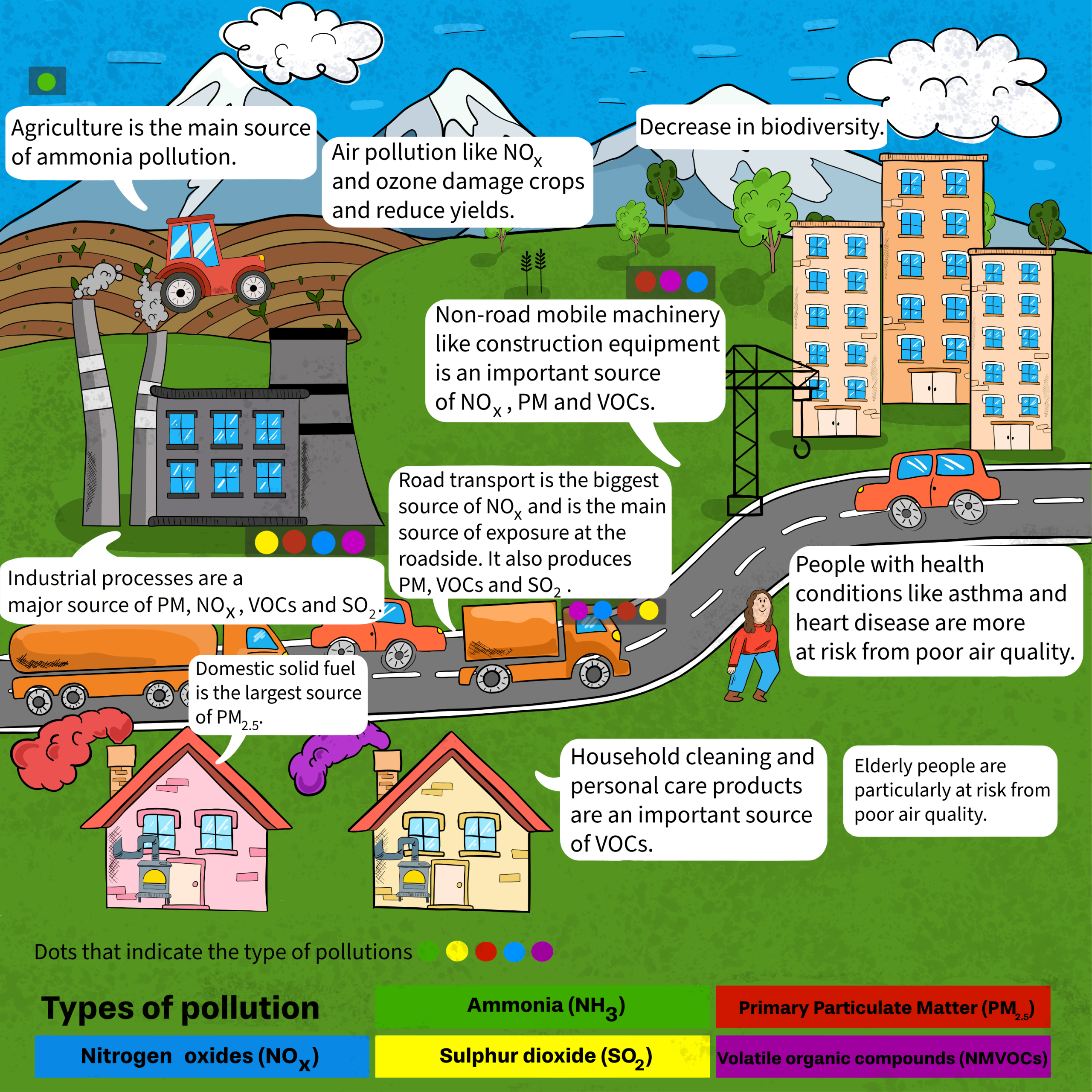
Particulate matter includes everything in the air that is not in a gaseous state, but in liquid, solid, or intermediate form. It can come from natural sources such as pollen, sea aerosols, and desert dust, or from human activities such as smoke from fires, soot from vehicle exhaust, dust from tires and brakes, as well as emissions from various industries. Particles emitted directly from such sources are called primary particles.
Secondary particles are formed in the atmosphere through chemical reactions between other air pollutants, such as nitrogen oxides (NOx), ammonia (NH3) and sulfur dioxide (SO2).
Particulate matter (PM) is classified by size, either as PM10 (particles with a diameter ≤10 μm) or PM2.5 (particles with a diameter ≤2.5 μm, which are 200 times smaller than a grain of sand).
The distinction between particulate matter and the other air pollutants discussed here is somewhat abstract. PM is not a single pollutant; it consists of a large mixture of chemical compounds and materials. Both PM and the gases that can form it travel long distances, meaning their effects can be felt far from the original source. PM can have short-term health impacts on days when concentrations are elevated, as well as long-term effects from exposure to lower levels throughout a lifetime. These impacts are amplified in vulnerable groups, including young children, the elderly, and individuals with respiratory conditions such as asthma.
Ammonia is a gas that is emitted into the atmosphere and then either settles back onto the soil or is transformed into secondary particulate matter (PM) through reactions in the atmosphere. Agriculture is the dominant source of ammonia emissions. It is released during the storage and spreading of manure, slurry, and fertilizers, as well as from landfills.
The remaining ammonia emissions come from a diffuse mix of sources — including vehicles, human waste, and industry.
The main concerns arising from ammonia emissions are its contribution to particulate matter and its effects on human health. Ammonia reacts with nitrogen oxides and sulfur dioxide, forming ammonium compounds that convert into particulate matter. This PM can travel long distances and contributes to the background levels of airborne particles in the atmosphere.
Ammonia remains in the atmosphere as a gas for only a few hours, but this extends to several days once it transforms into particulate matter. In this form, it can travel extremely long distances before being removed from the atmosphere by rain or snow and deposited onto land. In this way, ammonia can cause significant long-term damage to sensitive habitats, depositing more nitrogen onto soil, plants, and freshwater ecosystems than they can tolerate. This leads to major changes in plant communities and also affects the animal species that depend on them.
Nitrogen oxides (NOx) are a group of gases formed primarily during the combustion of fossil fuels. Most NOx emitted as a result of combustion is in the form of nitric oxide (NO). When NO reacts with other gases present in the air, it can form nitrogen dioxide (NO₂), which is harmful to human health. NO₂ is also important in the formation of ozone. NO is very quickly converted into NO₂ and vice versa, which is why scientific practice commonly refers to these two gases together as NOx. For reporting and measurement purposes, emissions are typically expressed as “NOx as NO₂” because of this rapid interconversion. The main sources of NOx are transportation, power plants and refineries, household and industrial combustion. Short-term exposure to NO₂ concentrations can cause inflammation of the airways and increase susceptibility to respiratory infections and allergens. It worsens symptoms in individuals who already suffer from lung or heart diseases, reducing their life expectancy.
Sulfur dioxide (SO₂) is a corrosive, acidic gas that is harmful to human health and, when combined with water vapor in the atmosphere, produces acid rain. SO₂ pollution episodes are also associated with asthma and chronic bronchitis, and can be a significant component of particulate matter. SO₂ emissions caused substantial damage to forests and freshwater habitats in the Northern Hemisphere during the 1970s and 1980s. SO₂ emissions primarily result from the combustion of solid and liquid fuels, and have been significantly reduced through limits on sulfur content in liquid fuels, as well as through the decline in reliance on coal for energy production.
Non-methane volatile organic compounds (NMVOCs) are a very large group of organic compounds that vary greatly in their chemical composition but can exhibit similar behavior in the atmosphere. NMVOCs are emitted into the air as combustion products, as vapors released from gasoline, solvents, air fresheners, cleaning agents, perfumes, and many other sources — often when products are used at work or at home. The diversity of products and processes that emit NMVOCs is enormous and includes not only industrial processes but also household products, agriculture, domestic combustion, and transportation.
In the outdoor atmosphere, NMVOCs react with other air pollutants in the presence of sunlight to form ground-level ozone. NMVOC emissions can also constitute a significant component of indoor air pollution. Indoor reactions differ because ultraviolet light — the main driver of outdoor reactions — is absorbed by glass.
However, many other reactions can occur, forming different chemicals. One particularly important NMVOC is formaldehyde, which can be released from furniture, final processing or from building materials such as laminate flooring, kitchen cabinets, and wood panels. It is also formed through chemical reactions in the air between other NMVOCs and combustion-related chemicals from smoking, heating, cooking, or burning candles. Even at low concentrations, exposure to formaldehyde can cause irritation of the eyes and upper respiratory tract, and it is classified as a human carcinogen.
Other sources of NMVOCs include furniture, carpets, upholstered materials, cleaning and polishing products, air fresheners, and personal care products such as fragrances, deodorants, and hair-styling products.
In the outdoor atmosphere, NMVOCs react with other air pollutants in the presence of sunlight to form ground-level ozone. NMVOC emissions can also be a significant component of indoor air pollution. Indoor reactions differ because ultraviolet light — the main driver of outdoor reactions — is absorbed by glass.
However, there are many other reactions they can undergo, forming different chemicals. One particularly important NMVOC is formaldehyde, which can be released from furniture, finishes, and building materials such as laminate flooring, kitchen cabinets, and wood panels. It is also formed through chemical reactions in the air between other NMVOCs and combustion-related chemicals from smoking, heating, cooking, or burning candles. At low concentrations, exposure to formaldehyde can cause irritation of the eyes and upper respiratory tract, and it is classified as a human carcinogen.
Other sources of NMVOCs include furniture, carpets and upholstered materials, cleaning and polishing products, air fresheners, and personal care products such as fragrances, deodorants, and hair-styling products.
Some pollutants are not emitted directly but are formed in the air, such as ozone. Ozone is harmful both to human health and the environment. It is highly reactive and forms nitrogen dioxide when it reacts with nitric oxide. Modeling suggests that if we manage to reduce NO₂ concentrations in our cities, we will need to consider how to address the rising ozone levels that may result. Ozone travels long distances and can reach high concentrations far from pollution sources. It can cause inflammation of the respiratory tract, eyes, nose, and throat. It can trigger asthma seizures and cause chest discomfort during breathing. It can also cause damage to crops.
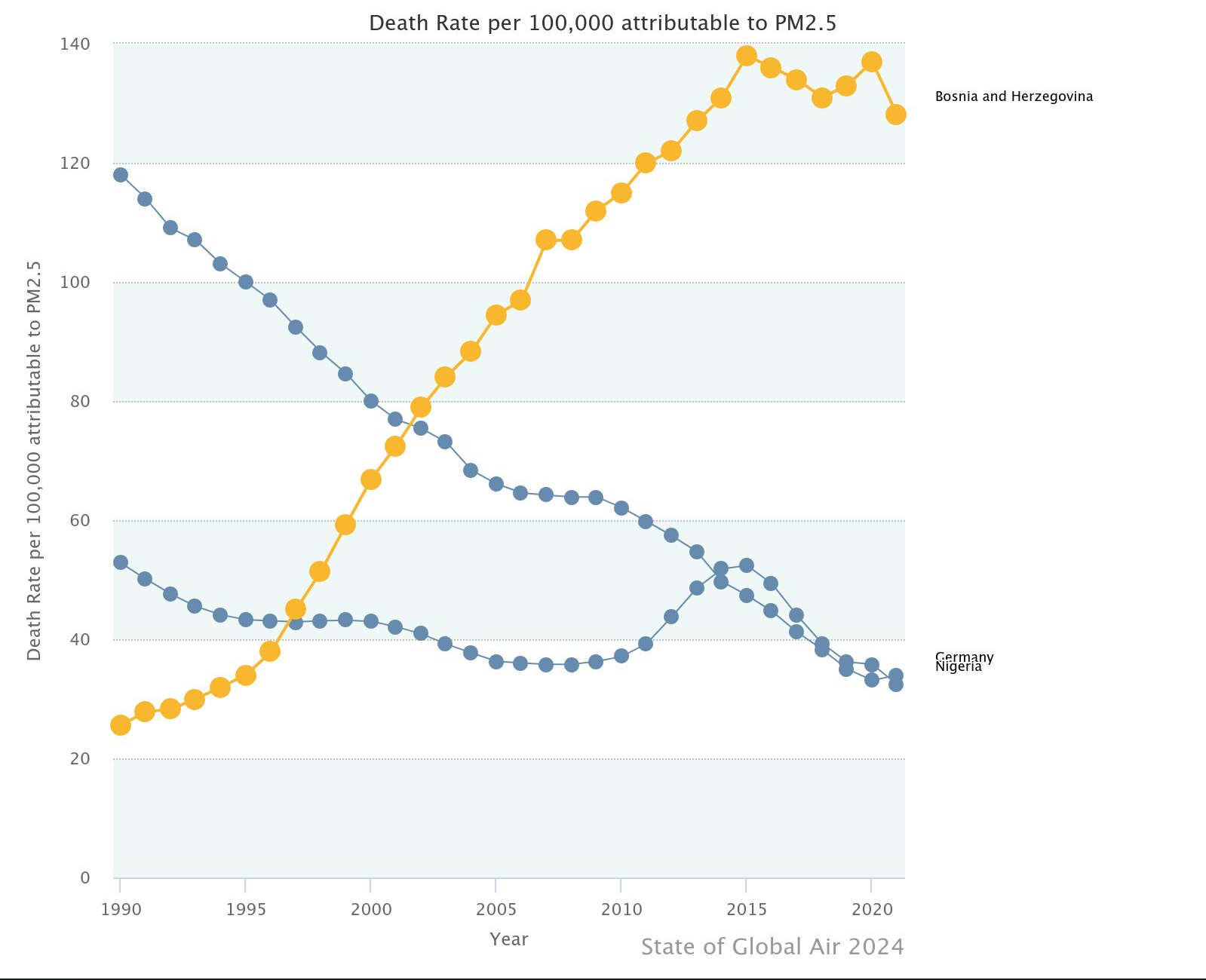
While in other parts of the world the number of deaths caused by air pollution is decreasing (for example in Germany, and even in Nigeria as shown in the chart below), in Bosnia and Herzegovina — and similarly in other Western Balkan countries — it is increasing.
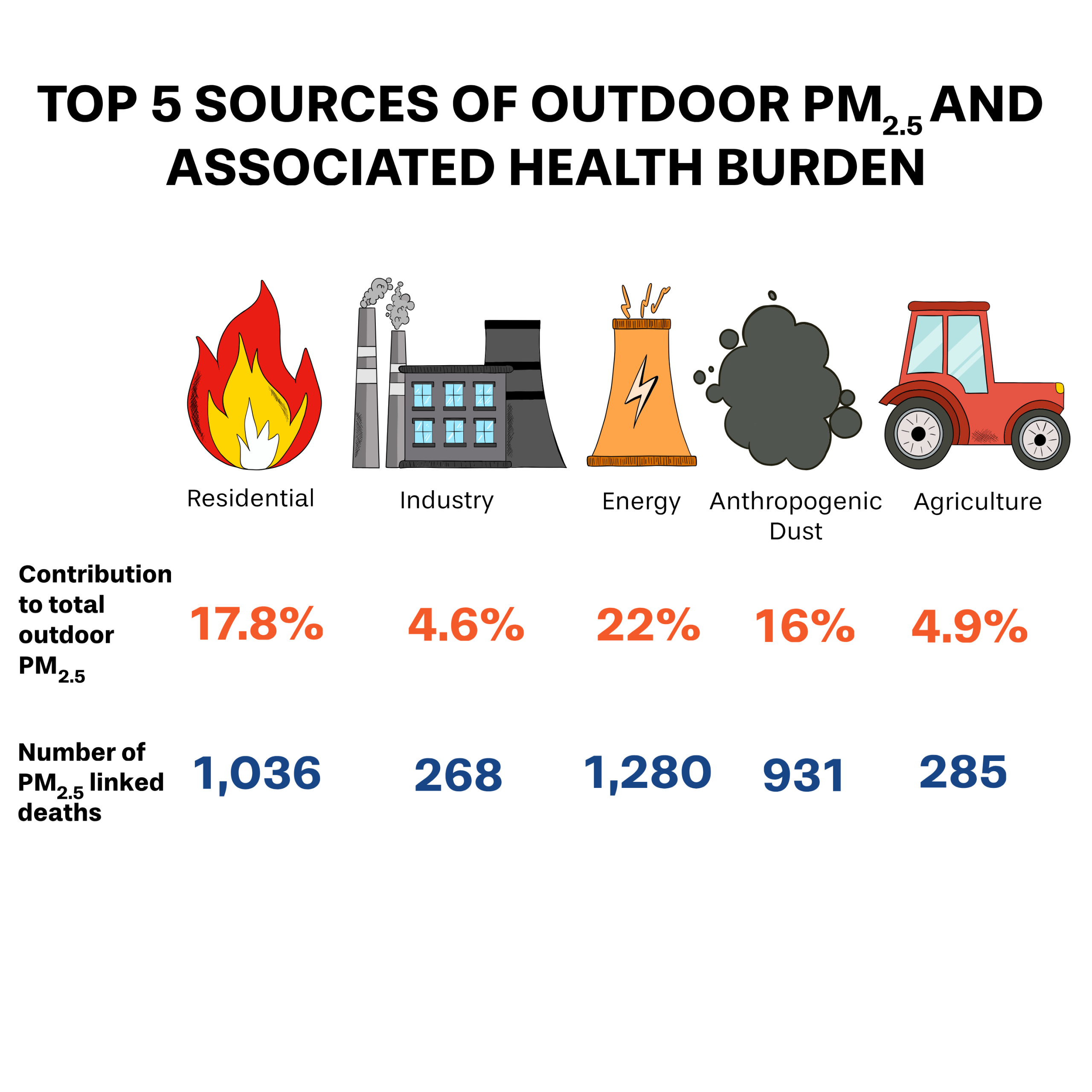
The distribution of PM2.5 sources shows that the main causes of pollution in Bosnia and Herzegovina are outdated technologies that rely on fossil fuels (as much as 22%), as well as households (17.8%) that mostly use inefficient heating systems.
While the developed world is trending toward renewable energy sources, in Bosnia and Herzegovina, according to data from 2020, energy is still primarily derived from fossil fuels:
- Thermal power plants 67.8%
- Hydropower plants 27.8%
- Large wind power plants 1.7%
- Small hydropower plants, solar power plants, and biomass and biogas facilities 2.7%
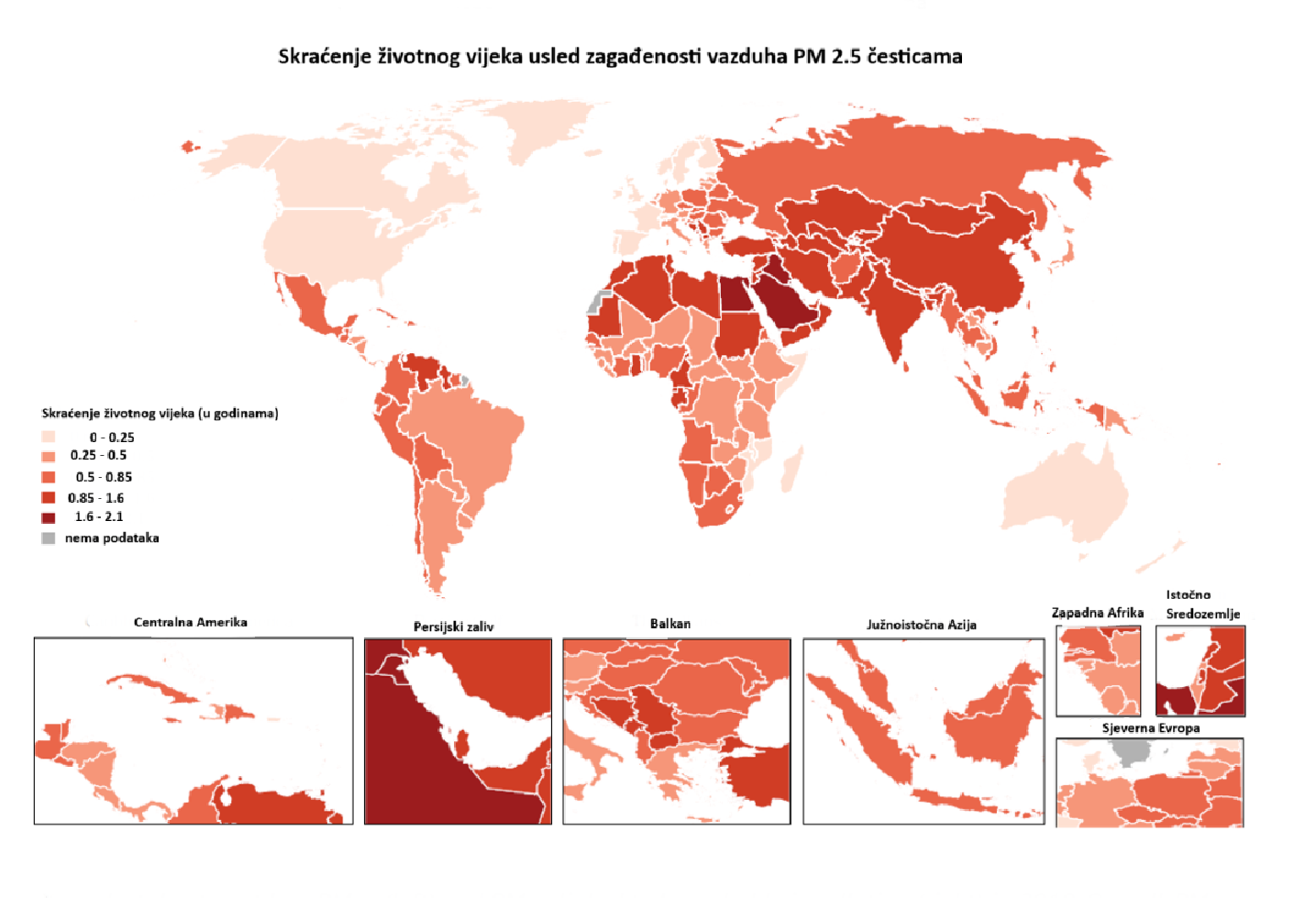
The reduction in life expectancy of the population due to air pollution is also at an unenviable level compared to EU countries.
While in other parts of the world the number of deaths caused by air pollution is decreasing (for example in Germany, and even in Nigeria as shown in the chart below), in Bosnia and Herzegovina — and similarly in other Western Balkan countries — it is increasing.
The distribution of PM2.5 sources shows that the main causes of pollution in Bosnia and Herzegovina are outdated technologies that rely on fossil fuels (as much as 22%), as well as households (17.8%) that mostly use inefficient heating systems.
While the developed world is trending toward renewable energy sources, in Bosnia and Herzegovina, according to data from 2020, energy is still primarily derived from fossil fuels:
- Thermal power plants 67.8%
- Hydropower plants 27.8%
- Large wind power plants 1.7%
- Small hydropower plants, solar power plants, and biomass and biogas facilities 2.7%
The reduction in life expectancy of the population due to air pollution is also at an unenviable level compared to EU countries.

📍 Ivana Gorana Kovacica bb
AQI: 165
PM2.5: 81.7 µg/m³
Kvalitet vazduha: Nezdrav
Podaci osvježeni upravo sada.
📍 Save Ljuboje
AQI: 98
PM2.5: 34.3 µg/m³
Kvalitet vazduha: Umjeren
Podaci osvježeni prije 1 minutu.📍 Nositelja hrvatskog trolista, Bihać
AQI: 92
PM2.5: 31.4 µg/m³
Kvalitet vazduha: Umjeren
Podaci osvježeni prije 2 minuta.📍 Novi Grad, Nadezde Petrovic
AQI: 81
PM2.5: 26.5 µg/m³
Kvalitet vazduha: Umjeren
Podaci osvježeni prije 2 minuta.📍 Tropic Market Brcko
AQI: 83
PM2.5: 27.2 µg/m³
Kvalitet vazduha: Umjeren
Podaci osvježeni prije 2 minuta.📍 Crvena Jabuka Market Gracanica
AQI: 162
PM2.5: 77.2 µg/m³
Kvalitet vazduha: Nezdrav
Podaci osvježeni prije 1 minutu.📍 Stefana Nemanje, Kotor Varos
AQI: 87
PM2.5: 29.2 µg/m³
Kvalitet vazduha: Umjeren
Podaci osvježeni prije 1 minutu.📍 Laktasi, ulica Karadjordjeva
AQI: 81
PM2.5: 26.5 µg/m³
Kvalitet vazduha: Umjeren
Podaci osvježeni prije 1 minutu.📍 Prnjavor
AQI: 129
PM2.5: 46.8 µg/m³
Kvalitet vazduha: Nezdrav za osjetljive grupe
Podaci osvježeni prije 1 minutu.📍 Doboj, ulica Nemanjina
AQI: 103
PM2.5: 36.2 µg/m³
Kvalitet vazduha: Nezdrav za osjetljive grupe
Podaci osvježeni prije 2 minuta.📍 Trg Kralja Petra I Karadjordjevica, Mrkonjic Grad
AQI: 87
PM2.5: 29.1 µg/m³
Kvalitet vazduha: Umjeren
Podaci osvježeni prije 1 minutu.📍 Tropic market Bijeljina
AQI: 123
PM2.5: 44.6 µg/m³
Kvalitet vazduha: Nezdrav za osjetljive grupe
Podaci osvježeni prije 2 minuta.📍 Istocno Sarajevo, Vojvode Radomira Putnika
AQI: 84
PM2.5: 27.9 µg/m³
Kvalitet vazduha: Umjeren
Podaci osvježeni prije 2 minuta.📍 Krecanska Tuzla
AQI: 156
PM2.5: 64.5 µg/m³
Kvalitet vazduha: Nezdrav
Podaci osvježeni prije 2 minuta.📍 Alije Izetbegovića
AQI: 168
PM2.5: 88.2 µg/m³
Kvalitet vazduha: Nezdrav
Podaci osvježeni prije 2 minuta.Senzor trenutno nije u funkciji.